Category: Elderly

Coronavirus COVID-19 Disability Elderly Japan

Japan’s weekly COVID-19 cases rise for 1st time in 3 months

The weekly average of new coronavirus cases at designated hospitals across Japan rose for the first time in three months in the seven days through last Sunday, health ministry data showed Friday. The number of newly hospitalized COVID-19 patients reported by about 500 designated medical organizations nationwide was 1,175, up 37 percent from the week before.

Disability Elderly Health Japan My Number

Japan to Abolish Health Insurance Cards as Planned

Japanese digital minister Masaaki Taira reiterated that the government will stop issuing new health insurance cards on Dec. 2 as planned in a move to integrate them into “My Number” electronic personal identification cards. “There is no change in our policy to proceed (with the abolition) as scheduled,” Taira said in a recent interview. At the same time, Taira underscored the importance of the government making efforts to eliminate public distrust in problem-prone My Number cards.

Abuse Elderly Japan

Childhood Trauma Raises Risk of Elderly Abuse: Study

People with adverse childhood experiences (ACE), such as domestic violence and neglect, are up to 7.65 times more prone to verbally or physically abusing elderly people than those without such experiences are, Japanese researchers have found. The researchers, including Chie Koga, project assistant professor of the University of Tokyo’s Research Center for Advanced Science and Technology, analyzed answers collected in September-October 2022 in an online survey that asked participants about the impacts of the COVID-19 pandemic on their lives and health. Compared with people without ACEs, the risk of abusing elderly people was 3.22 times higher for respondents who have had at least one type of such experience, such as parental divorce and physical and psychological abuse, and 7.65 times higher for those who have experienced two or more types.

Crime Elderly Japan Yakuza

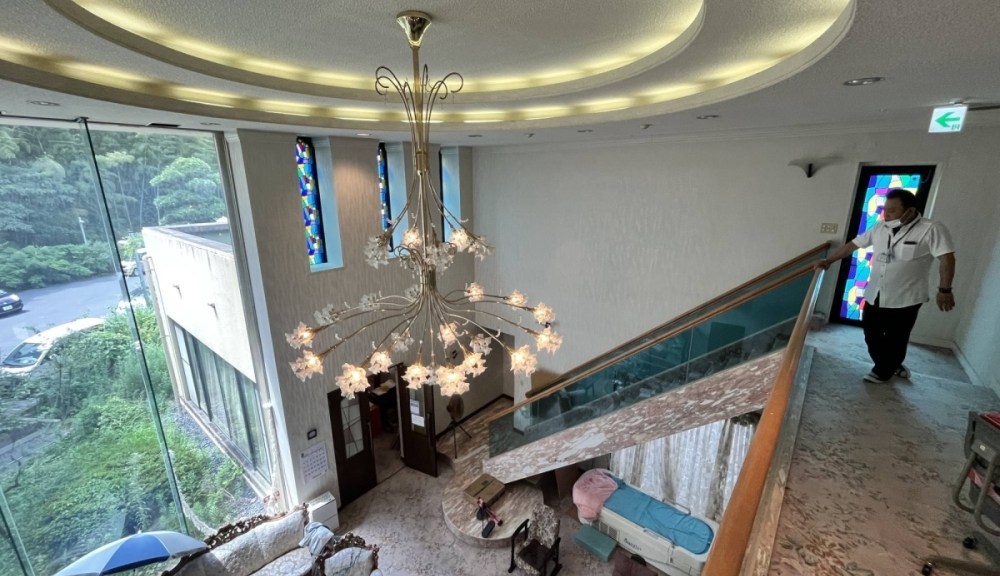
Former yakuza office repurposed to become elderly care facility

A building that used to be one of the main offices of the Kudokai crime syndicate in the city of Kitakyushu is now being used as a welfare facility for the elderly. The driving force behind the abolition of the office in 2011 was a local citizens’ campaign to eradicate the Kudokai, a specified dangerous crime syndicate known for its violent acts. The move later led to a public-private collaboration to crack down on the syndicate in the Kokuraminami ward of Kitakyushu. The building — once the second most important base for the Kudokai after its headquarters, also located in Kitakyushu — now houses a day care center for the elderly called Violin.

Elderly Japan Pets

Dog lifespan in Japan up by 0.75 years since 2010; owners face ‘elderly pet care’ hurdles

The survey found that dogs owned by regular households lived for 14.62 years on average, up from the 13.87 years when the survey began. According to the association, some factors behind this increased longevity include more owners keeping pets indoors and developments in things such as pet food and medical care. Like humans, when dogs age they undergo changes in appearance, such as their weight or their coat color becoming pale. In some cases, they can require care due to mobility loss or inability to use the litterbox. It’s also said that the animals experience a decline in interests and enthusiasm as well as changes in lifestyle rhythm due to declining cognitive abilities.

Assisted Living Dementia Elderly Japan Robotics

Japan researchers develop device hoped to help overcome ‘mental frailty’ among elderly

The research group developed a gamelike system that uses a cylindrical device with the firmness of hard tofu. Users adjust their grip force between 150 and 400 grams to trace a line of stars displayed on the screen. People with mild cognitive impairment tend to deviate from the line more easily than healthy elderly individuals, allowing for early detection of those suspected of developing the condition.

Disability Elderly Group Homes (GH) Japan Welfare

Japan’s Ministry of Health, Labor and Welfare to conduct survey of people with disabilities on waiting list for facilities in October

According to a questionnaire survey conducted by NHK in collaboration with experts this year in all prefectures and municipalities across the country, there are at least 22,000 people with disabilities who wish to use large-scale “residential facilities” or “group homes” where small numbers of people live, but are on waiting list.