Category: Travel

10 Golden Week Blind Disability Japan Travel

Some Notes on Blindness in Japan During Golden Week [Podcast Episode]

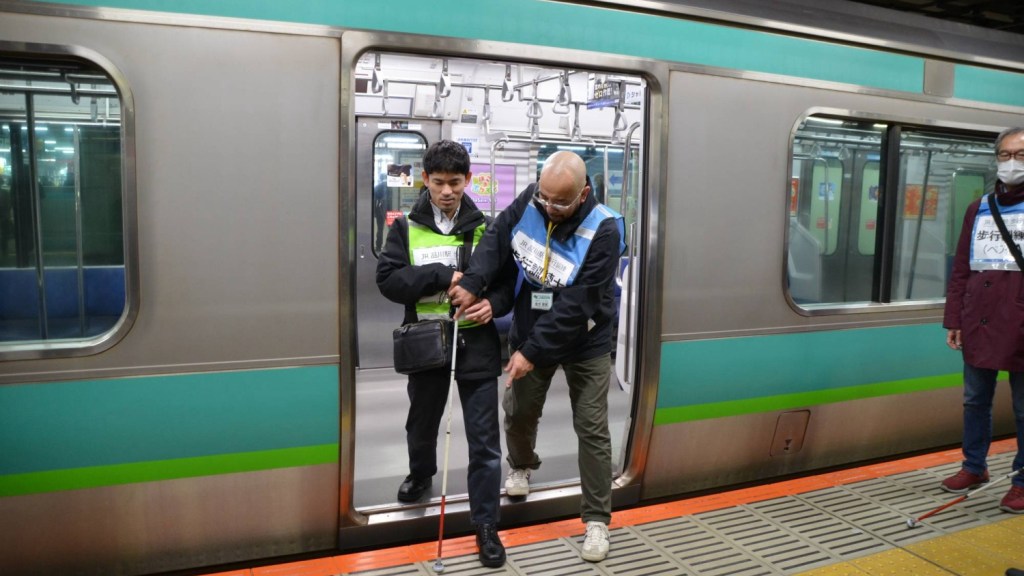
Two recent developments in Japan have highlighted ongoing safety challenges faced by people with visual impairments in public spaces. At the Imabari branch of the Matsuyama District Court, a visually impaired woman has filed a lawsuit seeking about 1.7 million yen in damages from a dog owner, alleging she was injured after an unleashed dog approached her guide dog, causing her to fall; she warned that such incidents on public roads can be life-threatening and called for greater awareness of the dangers of interfering with guide dogs doing their work. Separately, East Japan Railway Co. opened a platform-based training session at Shinagawa Station in Tokyo to the media, where visually impaired participants practiced navigation with mobility instructors using actual train cars, underscoring efforts by transport operators to improve safety and prevent accidents.

Disability Discrimination Japan Podcast Travel Unmanned Stations

Oita District Court Rejects Disabled People’s Claim over Unmanned Stations, Citing “Excessive Burden” on JR Kyushu [Podcast Episode]

A district court in southwestern Japan on Thursday 23rd April dismissed a damages claim by people with disabilities who said that the unmanned operations of stations by Kyushu Railway Co., or JR Kyushu, violated their freedom of movement. “It cannot be acknowledged that there was unfair and discriminatory treatment” on the grounds of disability in operating stations without staff, Oita District Court Presiding Judge Mina Tomita said, rejecting the claim for damages totaling 660,000 yen against JR Kyushu.

Disability Discrimination Japan Travel Unmanned Stations

Oita Court Rejects Disabled People’s Freedom of Movement Claim, Cites ‘Excessive Burden’ on JR Kyushu

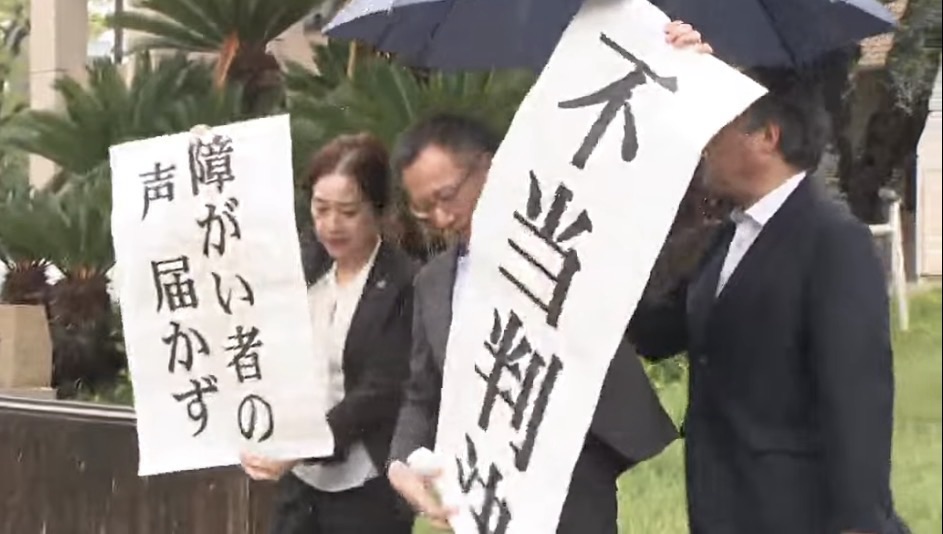
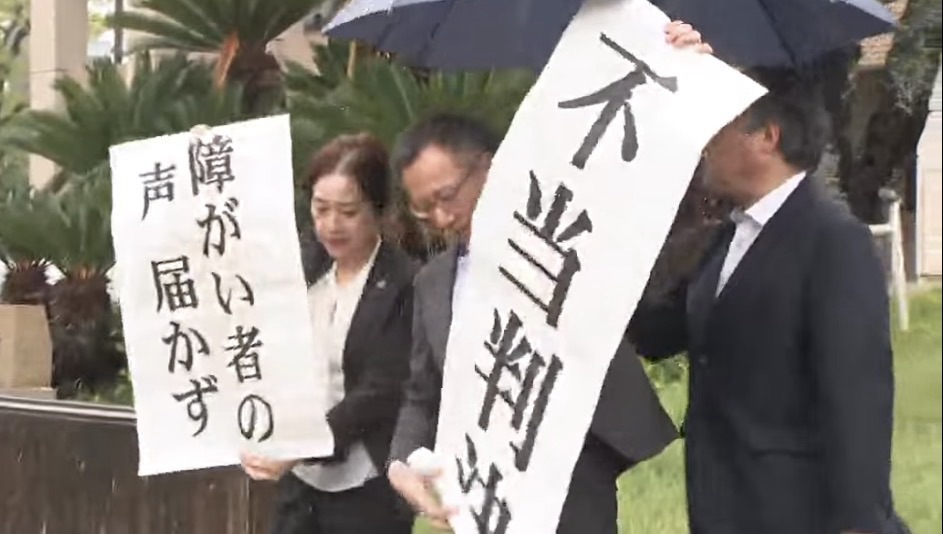
The Oita District Court dismissed a lawsuit by six people with disabilities who claimed that JR Kyushu’s use of unmanned stations infringed their freedom of movement, with Presiding Judge Mina Tomita ruling that “It cannot be acknowledged that there was unfair and discriminatory treatment” and concluding that while requiring advance notice for assistance “cause[s] a difference in the use of stations,” the policy was not illegal. She added that, given factors such as population decline, operating stations without staff “was unavoidable” and that maintaining staffing would impose an “excessive burden” on the company. In response, plaintiffs’ lawyer Yasuyuki Tokuda condemned the decision as an unjust ruling and said the legal team would continue to fight the case.

Disability Discrimination Japan Travel Unmanned Stations

Oita Court Rejects Disabled People’s Claim over Unmanned Stations

A district court in southwestern Japan on Thursday dismissed a damages claim by people with disabilities who said that the unmanned operations of stations by Kyushu Railway Co., or JR Kyushu, violated their freedom of movement. “It cannot be acknowledged that there was unfair and discriminatory treatment” on the grounds of disability in operating stations without staff, Oita District Court Presiding Judge Mina Tomita said, rejecting the claim for damages totaling 660,000 yen against JR Kyushu.

Barrier Free Blind Disability Japan Podcast Travel

Shikoku Island Town Trials New Pedestrian Crossing for Visually Impaired [Podcast Episode]

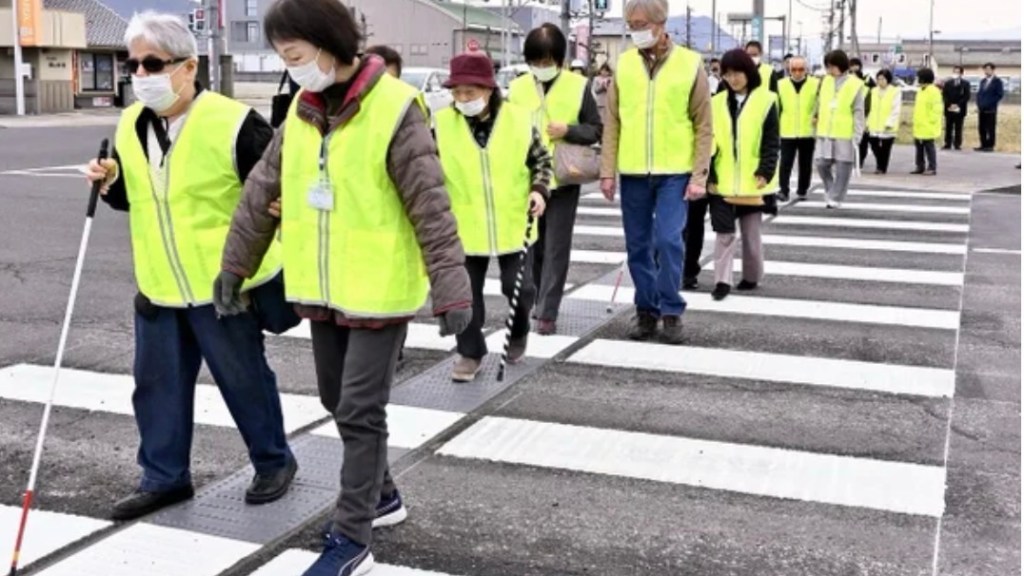
A pedestrian crossing built to a new standard with wider spacing between white lines than before was introduced this month at an intersection near JR Takase Station in Takase Town, Mitoyo City, the first such installation in Shikoku. On the 18th, the prefectural police invited visually impaired people and others to walk across it and share their feedback. In July 2024, related laws on road markings were partially revised, making it possible to widen the spacing between white lines from the previous 45–50 centimetres to as much as 90 centimetres. This is expected to reduce maintenance costs, as it can lessen deterioration caused by vehicle traffic.

Barrier Free Disability Japan Podcast Travel

Saitama Bus Service for People with Disabilities to Be Discontinued Due to Driver Shortage [Podcast Episode]

A long-running bus service for people with disabilities in Saitama Prefecture will be discontinued at the end of the fiscal year due to a shortage of drivers and the wider availability of lift-equipped charter buses from private operators, the prefectural government said. The Oozora-go, a 40-seat bus donated over decades by Musashino Bank, has served thousands annually since 1973, offering affordable group travel for disability organizations. Advocates have expressed disappointment, saying the service promoted social participation for people with disabilities, while Governor Motohiro Ōno said the prefecture will consider alternative measures in light of user feedback and social changes.

Barrier Free Disability Employment Japan Mobility as a Service Travel

Bus Service for People with Disabilities to Be Discontinued Due to Driver Shortage

A long-running bus service for people with disabilities in Saitama Prefecture will be discontinued at the end of the fiscal year due to a shortage of drivers and the wider availability of lift-equipped charter buses from private operators, the prefectural government said. The Oozora-go, a 40-seat bus donated over decades by Musashino Bank, has served thousands annually since 1973, offering affordable group travel for disability organizations. Advocates have expressed disappointment, saying the service promoted social participation for people with disabilities, while Governor Motohiro Ōno said the prefecture will consider alternative measures in light of user feedback and social changes.

Barrier Free Japan Travel

Bus company introduces Japan’s 1st service with lie-flat seats

Kochi Ekimae Kanko, a bus operator in western Japan, has repeatedly received passenger feedback that overnight bus rides can be physically tiring and concluded there is enough demand for buses with lie-flat seats. The company trialed the seats, which can be converted into two tiers of beds, on its 13-hour service between Kochi Prefecture and Tokyo. During the trial in August, an upper bed seat cost 12,000 yen ($80) one way, while a lower bed seat was 10,000 yen. The fares for the regular service are yet to be announced.