Category: Japan

Children Health Japan Medical

‘Slapped cheek syndrome’, or Fifth Disease in Japan Hits 26 Year High

The number of patients with fifth disease, or slapped cheek syndrome, in Japan hit the highest level in some 26 years in the week that ended June 22, according to data compiled by the Japan Institute for Health Security.The number of fifth disease patients reported by some 2,000 medical institutions nationwide stood at 2.53 per institution in the week, the highest since the current counting method was adopted in 1999. In the following week through June 29, the figure came to 2.13, the third highest.Japan’s health ministry is urging pregnant women to consult medical institutions if they experience symptoms, as infections can lead to miscarriages.

Disability Election Immigration Japan

Foreigners at center of debate in Japan’s tense election campaign

Ahead of the July 20 House of Councillors election, policies toward foreigners in Japan have emerged as a central issue, with minor conservative opposition parties gaining momentum amid waning support for the long-dominant ruling bloc. Analysts warn that the discussion extends beyond short-term electioneering, saying that if xenophobic rhetoric — often lacking a factual basis — gains broader acceptance, it could deepen discrimination and social divisions.

Disability Japan Podcast Welfare

The Japan Federation of Bar Associations Calls for Review of Disability Certification Standards [Podcast Episode]

In a statement, the Japan Federation of Bar Associations pointed out that “one of the fundamental factors behind the occurrence of what is suspected to be arbitrary non-payment of benefits this time is the disability certification standards based on a medical model and far removed from the actual living conditions of people with disabilities.” They called for “immediate improvement to the current situation in which the rights of those who are entitled to benefits are unfairly violated.”

Japan Sports Sumo Wheelchair

Sumo wrestler-sized wheelchair deployed ahead of Nagoya tournament

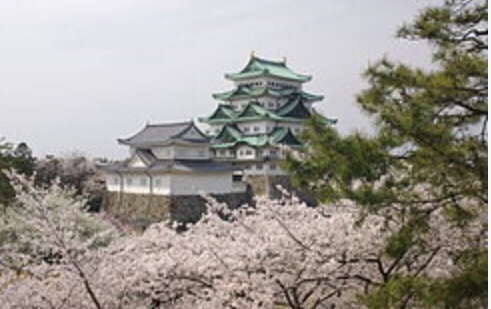
With the Nagoya Grand Sumo Tournament set to open Sunday, a medical center near the competition venue has taken possession of a heavy-duty wheelchair built to transport the sport’s heftiest wrestlers. The chair, designed to accommodate patients weighing up to 300 kilograms, was presented Friday to the medical center affiliated with Nagoya City University Medical School. The facility is located a short distance from the newly built IG Arena, where the 15-day tournament will run through July 27. It will also be on hand for use at next year’s Aichi-Nagoya Asian Games and Asian Para Games.

Disability Japan Welfare

“Standards far removed from the real life of people with disabilities”: Japan’s Lawyers Call for Review of Disability Certification Standards

In a statement, the Japan Federation of Bar Associations pointed out that “one of the fundamental factors behind the occurrence of what is suspected to be arbitrary non-payment of benefits this time is the disability certification standards based on a medical model and far removed from the actual living conditions of people with disabilities.” They called for “immediate improvement to the current situation in which the rights of those who are entitled to benefits are unfairly violated.”

Disability Elderly Election End of Life Care Japan Podcast

Sanseito’s Leader Kamiya Calls for Self-funded End-of-Life Healthcare and ‘death with dignity’ Laws [Podcast Episode]

During the ongoing campaign for the House of Councillors election, the political party Sanseito has drawn attention with a controversial pledge: that all medical expenses for life-sustaining treatment at the end of life should be entirely self-funded by patients or their families. Party leader Sohei Kamiya clarified the policy’s intent on July 8 while campaigning in Morioka City. Speaking to reporters, Kamiya explained that the proposal was intended to raise public awareness about the financial realities of end-of-life care. “I included it with the intention of raising awareness,” he stated, “that it would be difficult if people don’t save up when they are facing their final moments.” Beyond the funding issue, Sanseito is also calling for the establishment of legislation to support death with dignity. The party advocates for a legal framework that both honours patient wishes and offers protection to medical professionals making end-of-life decisions.

Assisted Dying Disability Elderly Election End of Life Care Health Japan

Sanseito’s Leader Kamiya Calls for Self-funded End-of-Life Healthcare and ‘death with dignity’ Legislation

During the ongoing campaign for the House of Councillors election, the political party Sanseito has drawn attention with a controversial pledge: that all medical expenses for life-sustaining treatment at the end of life should be entirely self-funded by patients or their families. Party leader Sohei Kamiya clarified the policy’s intent on July 8 while campaigning in Morioka City. Speaking to reporters, Kamiya explained that the proposal was intended to raise public awareness about the financial realities of end-of-life care. “I included it with the intention of raising awareness,” he stated, “that it would be difficult if people don’t save up when they are facing their final moments.” Beyond the funding issue, Sanseito is also calling for the establishment of legislation to support death with dignity. The party advocates for a legal framework that both honors patient wishes and offers protection to medical professionals making end-of-life decisions.

Disability Election Japan Podcast

Encountering ‘Sanseito’: Japan’s New Right-Wing Populist Party [Podcast Episode]

It was somewhat unexpected when Barrier Free Japan, a foreign resident in Kobe was handed a leaflet by one of Japan’s more recently established and increasingly vocal political parties: Sanseito (参政党). Bright orange and emblazoned with the slogan “Don’t destroy Japan any further” (これ以上、日本を壊すな), the leaflet’s assertive tone immediately stood out. It promotes a platform built around the phrase “Japanese People First” (日本人ファースト), and outlines what the party calls its “three pillars” and “nine policies.”