
1 Year On: Use of App to Help Visually Impaired in Disasters Spreading
A growing number of local governments in Japan are using a smartphone app to help visually impaired residents access critical information in the event of a natural disaster.
A growing number of local governments in Japan are using a smartphone app to help visually impaired residents access critical information in the event of a natural disaster.
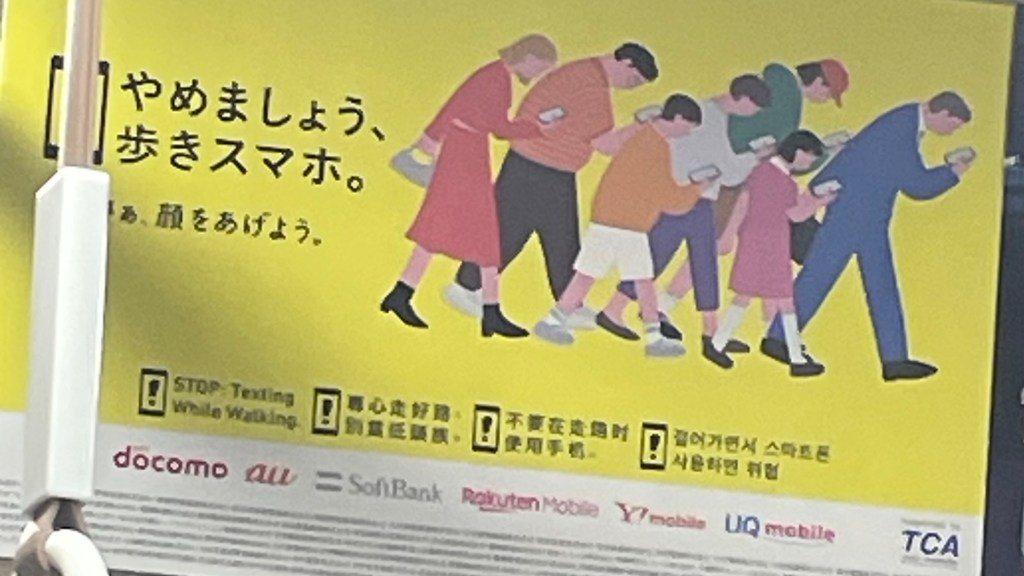
Barrier Free Japan has noticed a number of adverts and leaflets at train stations of late. Specifically they are aimed at discouraging people from walking on escalators or walking whilst looking at their smartphones.

he “Miyagi Appeal Action” rally was held in Sendai City on the 16th to raise awareness of the discrimination and difficulties facing people with disabilities. This is held annually by an executive committee made up of over 40 disability groups in Miyagi Prefecture. This year, in response to the Noto Peninsula earthquake, the theme was “Disability and Disaster Prevention,” and an appeal was adopted calling on the government to develop disaster prevention and evacuation plans that reflect the perspectives of people with disabilities.

On the 10th, three staff members from the Prefectural Center for the Hearing Impaired drove around the homes of hearing-impaired people living in the city, where a seismic intensity of 6-low was observed in the earthquake on the 8th. The staff members used sign language to ask about damage caused by the earthquake and their concerns. Mitsuhira Kazuo, director of the Prefectural Center for the Deaf, who conducted the survey, said, “We don’t know when the next big earthquake will occur, so we went there to listen in detail. We would like to hear the honest feelings of disabled people in other areas of the prefecture as well.”

Don’t panic! North Korean overlords won’t be here soon!
The alert was broadcast on NHK at around 22:47 on Monday 27th May 2024. Residents of Okinawa were advised to take shelter and the advisory was later lifted.
How can we support the lives of elderly evacuees in disaster-affected areas? This is a challenge that Japan faces as a whole as its population ages.
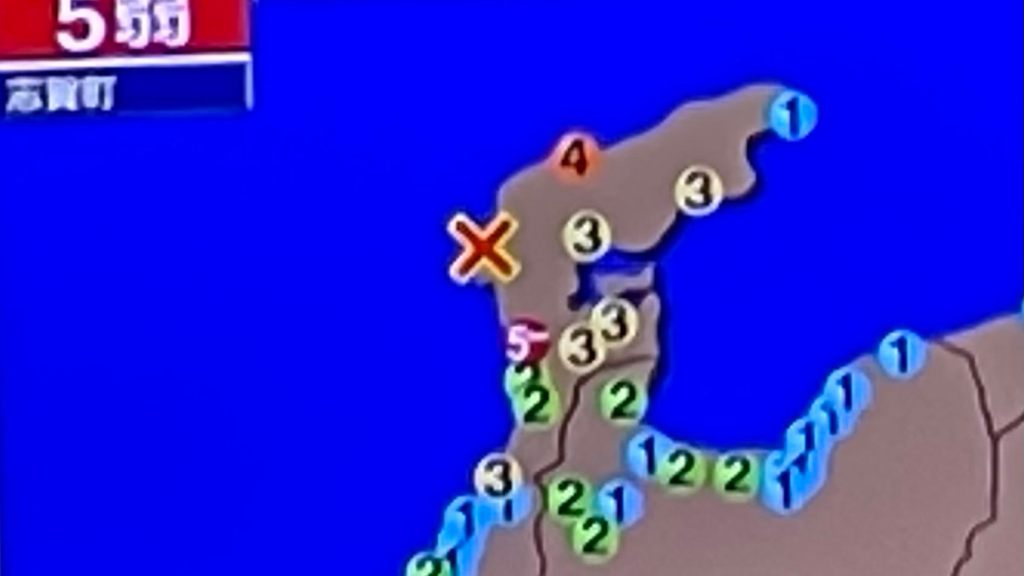
Four months have passed since the Noto Peninsula Earthquake in central Japan. In the Okunoto region that was hit directly by the quake, close to half of the residents are seniors. Elderly care facilities that have supported the welfare of local residents also sustained major damage.
The governor of Miyagi, one of the northeastern Japan prefectures hit hard by a massive earthquake and tsunami 13 years ago, emphasized the need for psychological care for those affected by the disaster.
The number of people experiencing mental issues has gone up due to changes in their environment following the March 11, 2011, disaster, Murai said, adding that the number of elderly residents living alone has increased as well.
While Wajima City is facing a staff shortage problem, facilities used by people with disabilities have reopened on March 11th.
However, the 25 staff members before the earthquake were forced to evacuate outside the city, and now there are only 8 staff members.
Residents with mental and intellectual disabilities have faced difficulties finding and staying at evacuation centers in disaster-hit areas of Ishikawa Prefecture.
The shelters are not equipped to provide the special needs of these quake victims, and other evacuees have complained about their new disabled neighbors.
People with disabilities accounted for more than 20% of deaths caused by physical and mental strain following major earthquakes in the 2010s in Japan, a recent Kyodo News study showed.
The survey of local governments showed 21% of deaths linked to the 2011 earthquake and tsunami disaster in northeastern Japan involved people with disability certificates, while the comparable figure from the 2016 quakes in Kumamoto Prefecture, stood at 28%.
The figures are particularly high when compared with the proportion of disabled people in the population, which the central government estimates at 9%.

 Barrier Free Japan