
Latest Posts

Barrier Free Disability Discrimination Housing Japan Podcast

People with disabilities in Japan face persistent barriers to housing, accommodation [Podcast Episode]

People with disabilities in Japan continue to face significant barriers in securing housing and accommodation, with multiple recent cases highlighting concerns over discrimination, limited legal enforcement, and a lack of understanding among property owners and service providers.
Gender Health Japan Podcast

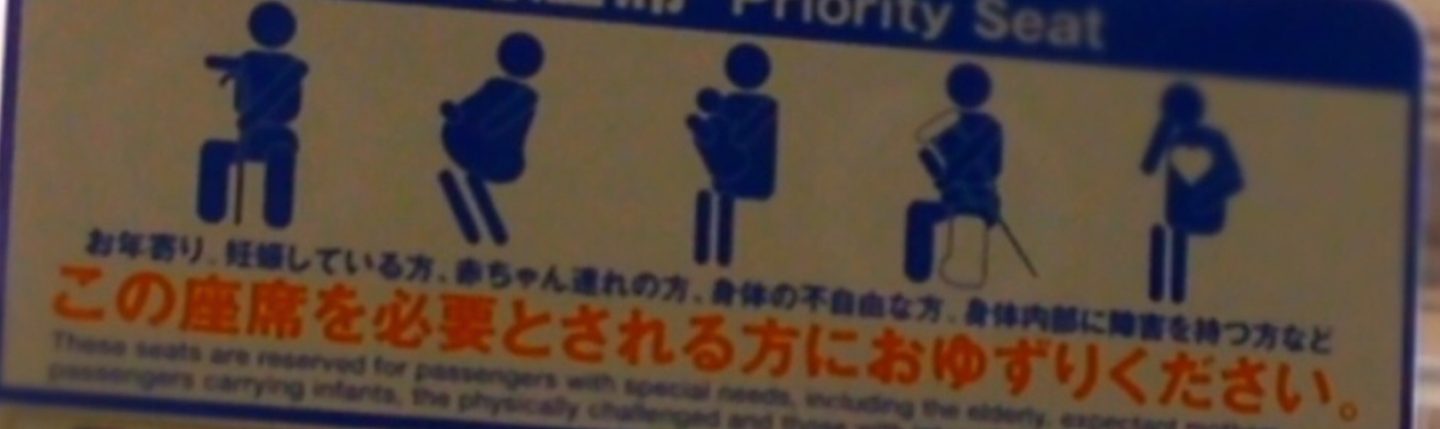
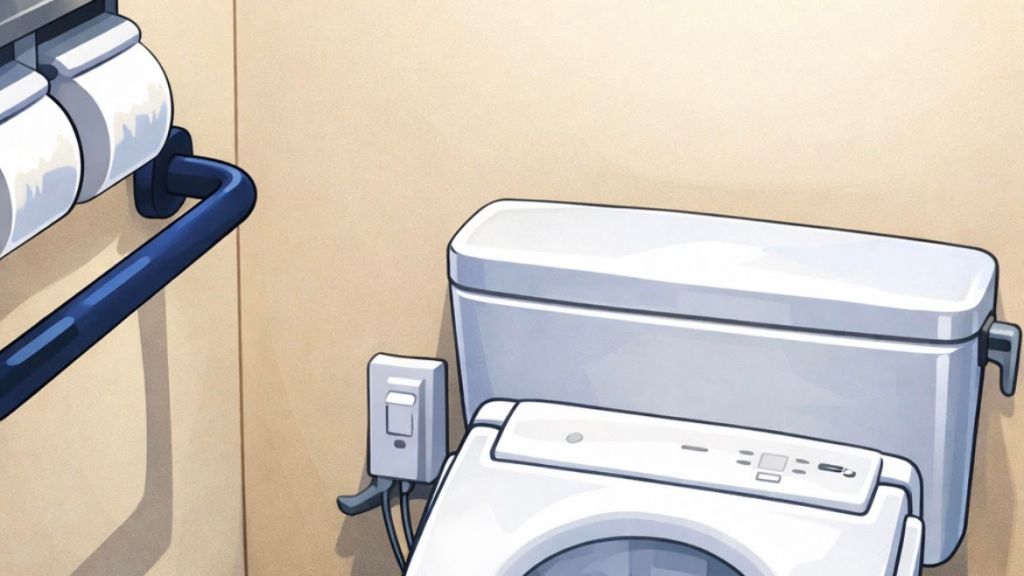
Japan’s new guidelines aim to reduce long lines of women at public toilets [Podcast Episode]

Japan’s transport ministry has come up with draft guidelines aimed at reducing long waiting lines at women’s toilets at stations and commercial facilities. At a meeting of experts and businesspeople on Friday 13th March, the ministry presented its first draft guidelines for public restrooms in such places. The guidelines say it is important for both men and women to be able to use restrooms comfortably, and that the waiting times for each must be equal. They also say that the number of toilets for women needs to be higher than those for men at facilities where the number of male and female toilet users are almost the same.

Care Disability Invisible Disabilities Japan Welfare

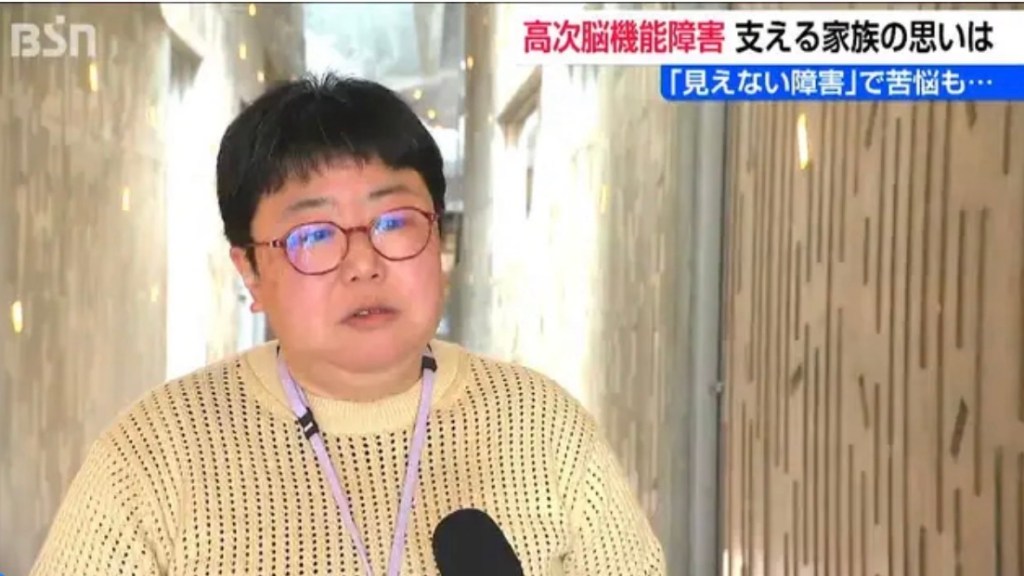
227,000 people in Japan have “Higher Brain Dysfunction”; families speak of loneliness and reality

An estimated 227,000 people in Japan are living with higher brain dysfunction, an “invisible disability” caused by brain damage from strokes or accidents, yet the condition remains poorly understood because its symptoms are not outwardly apparent. As a result, families of those affected often face profound and isolating challenges, including sudden personality changes, emotional instability, and cognitive impairments that others may misinterpret as normal behavior. This lack of visible signs can lead to misunderstanding and insufficient support, leaving caregivers to cope with stress, confusion, and loneliness while navigating daily life alongside their loved ones.

Gender Health Japan

Japan’s new guidelines aim to reduce long lines of women at public toilets

Japan’s transport ministry has come up with draft guidelines aimed at reducing long waiting lines at women’s toilets at stations and commercial facilities. At a meeting of experts and businesspeople on Friday 13th March, the ministry presented its first draft guidelines for public restrooms in such places. The guidelines say it is important for both men and women to be able to use restrooms comfortably, and that the waiting times for each must be equal. They also say that the number of toilets for women needs to be higher than those for men at facilities where the number of male and female toilet users are almost the same.

Disability Japan Welfare

Tottori City Imposes 3-Month Partial Suspension on Disability Support Facility For Improper Benefit Claims

Tottori City announced on the 19th that it has imposed a three-month administrative sanction of “partial suspension of business operations” on a local facility that provides independent living training and employment transition support for people with disabilities, for fraudulently claiming approximately 8 million yen in training and related benefits. The measure includes a halt on accepting new users.

Barrier Free Blind Disability Japan Podcast Travel

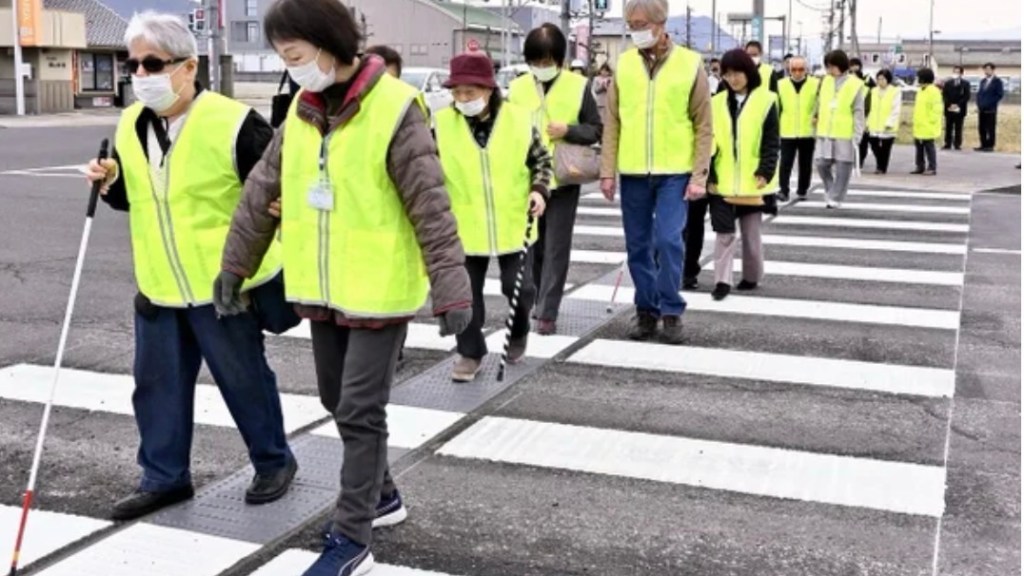
Shikoku Island Town Trials New Pedestrian Crossing for Visually Impaired [Podcast Episode]

A pedestrian crossing built to a new standard with wider spacing between white lines than before was introduced this month at an intersection near JR Takase Station in Takase Town, Mitoyo City, the first such installation in Shikoku. On the 18th, the prefectural police invited visually impaired people and others to walk across it and share their feedback. In July 2024, related laws on road markings were partially revised, making it possible to widen the spacing between white lines from the previous 45–50 centimetres to as much as 90 centimetres. This is expected to reduce maintenance costs, as it can lessen deterioration caused by vehicle traffic.

Crime Japan KyoAni Mental Health Podcast

Withdrawal of Appeal against Death Sentence Found Valid in KyoAni Arson Case [Podcast Episode]

In the ruling on Tuesday 17th March, Presiding Judge Hisashi Ito said that Aoba clearly understood the meaning of his decision, and that the impact of his delusional disorder on the decision was hardly seen. The judge added that it is “not unreasonable” for Aoba to believe that withdrawing the appeal was better than being deemed delusional by a higher court and being executed.

Crime Disability Japan KyoAni Mental Health

Withdrawal of Appeal against Death Sentence Found Valid in KyoAni Case

In Tuesday’s ruling, Presiding Judge Hisashi Ito said that Aoba clearly understood the meaning of his decision, and that the impact of his delusional disorder on the decision was hardly seen. The judge added that it is “not unreasonable” for Aoba to believe that withdrawing the appeal was better than being deemed delusional by a higher court and being executed.