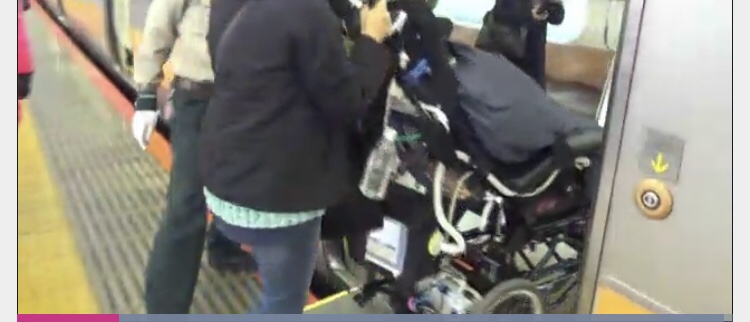
“I didn’t know where to get on”: Japanese Lawmaker with ALS inspects train service ahead of Paralympics
Written with extracts translated from TV Asahi Januarty 14th 2020 Yasuhiko Funago, A member of the House of Councilors, andContinue Reading
Written with extracts translated from TV Asahi Januarty 14th 2020 Yasuhiko Funago, A member of the House of Councilors, andContinue Reading
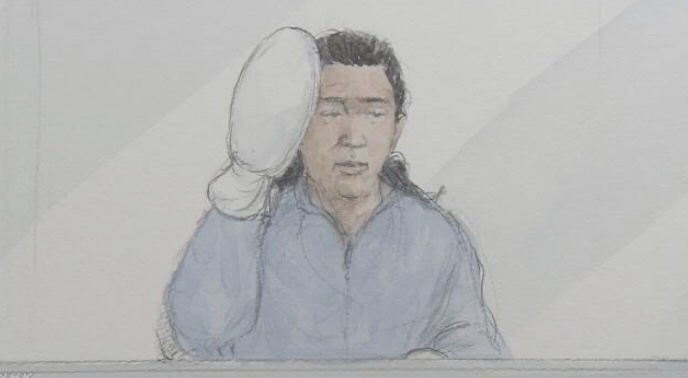
“I couldn’t be convinced by a verbal apology alone, I thought it was the best way to do it. It was an action I thought about and was confused. I had been thinking about doing this about two years ago.”
Monday 13th January was a national holiday in Japan, it was ‘Coming of Age Day’, so with some other public services, the courts did not sit in Japan. Barrier Free Japan felt this was a good time to recount the first few days in ‘Sagamihara Massacre’ trial, and offer a kind of ‘timeline’ of the trial thus far.

Participants walk through a temple wearing eye masks for a simulated experience of being blind, including having to make better use of the senses of hearing and smell.
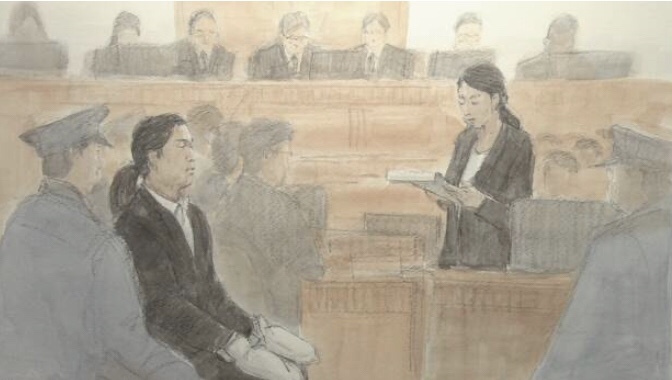
An account of an injured victim was heard, Kazuya Ono (46), who is the only victim to be referred to by his real name in ttrial, was referred to as Mr. Ono. Kazuya Ono (46). He was severely injured by a knife, which led to a police report being filed immediately after the incident.
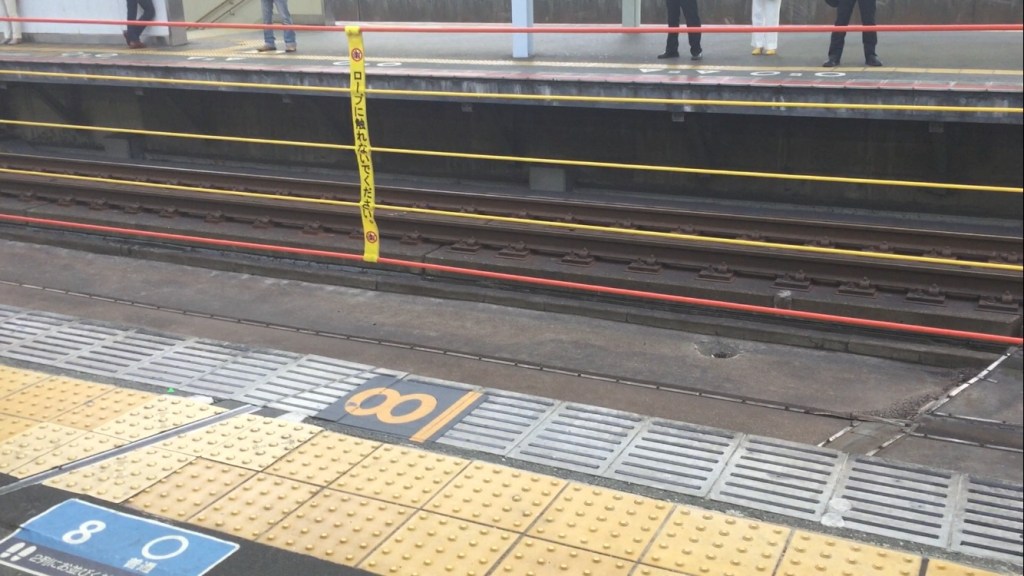
In the early morning of January 11, a 53-year-old visually impaired man fell off his platform at JR Nippori Station in Arakawa-ku, Tokyo, and was killed by a train.
A statement was taken by from an employee who was detained by the defendant. The employee testified that the defendant would ask if a potential victim could talk when choosing whether to attack them.
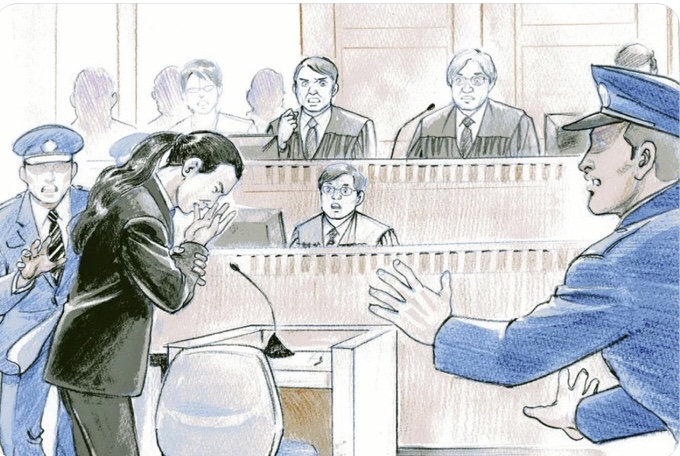
A man on trial over a fatal knife rampage at a care home for the mentally disabled near Tokyo in 2016 reappeared in court on Friday, two days after he was removed from the courtroom for trying to bite off his finger.
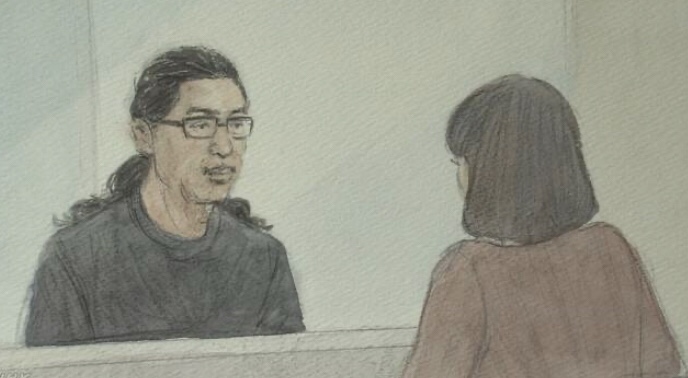
The point at issue is the presence or absence of criminal liability at the time of the case. The defense argued, “He was mentally ill or mentally depressed due to cannabis.” The prosecutor’s view is that he was fully accountable as he had “a unique way of thinking, not a pathological delusion within normal psychology.”
Current rules require only entrances, hallways and shared bathing areas at lodging facilities to be barrier-free. The new rules will also cover areas between room entrances and beds, and entrances to restrooms, bathing rooms and washrooms, requiring hotel operators to provide sufficient space for wheelchairs to pass through.

 Barrier Free Japan