Category: Welfare

Care Disability Japan Podcast Welfare

Medical Foundation Ends Disability Support Services in Miura City after Mayor’s Social Media Remarks [Podcast Episode]

It was learned on January 6th that the medical corporation foundation “Aoyama-kai” has decided to end two disability consultation support services under contract with the city at the end of March and has notified the city. The relationship of trust with the city was damaged by Mayor Kaichi Deguchi’s social media posts during last year’s mayoral election and the subsequent response, and the foundation has decided that continuing the services any longer is difficult.

Care Disability Japan Medical Social Media Welfare

Medical Foundation Ends Disability Support Services in Miura City after Mayor’s Social Media Remarks

It was learned on the 6th that the medical corporation foundation “Aoyama-kai” has decided to end two disability consultation support services under contract with the city at the end of March and has notified the city. The relationship of trust with the city was damaged by Mayor Kaichi Deguchi’s social media posts during last year’s mayoral election and the subsequent response, and the foundation has decided that continuing the services any longer is difficult. The city is considering countermeasures for April and beyond to avoid impacting users.

Disability Japan Welfare

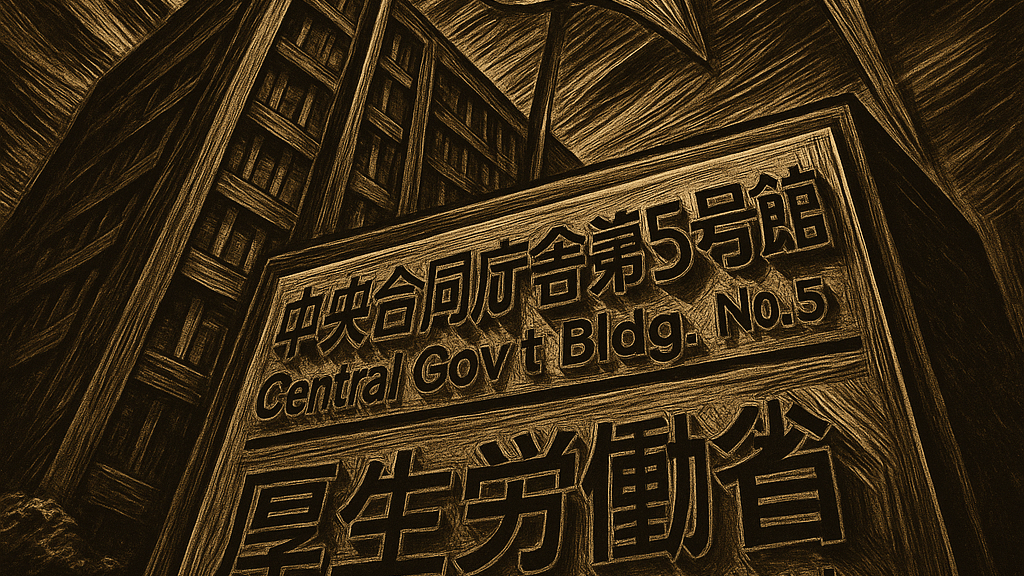
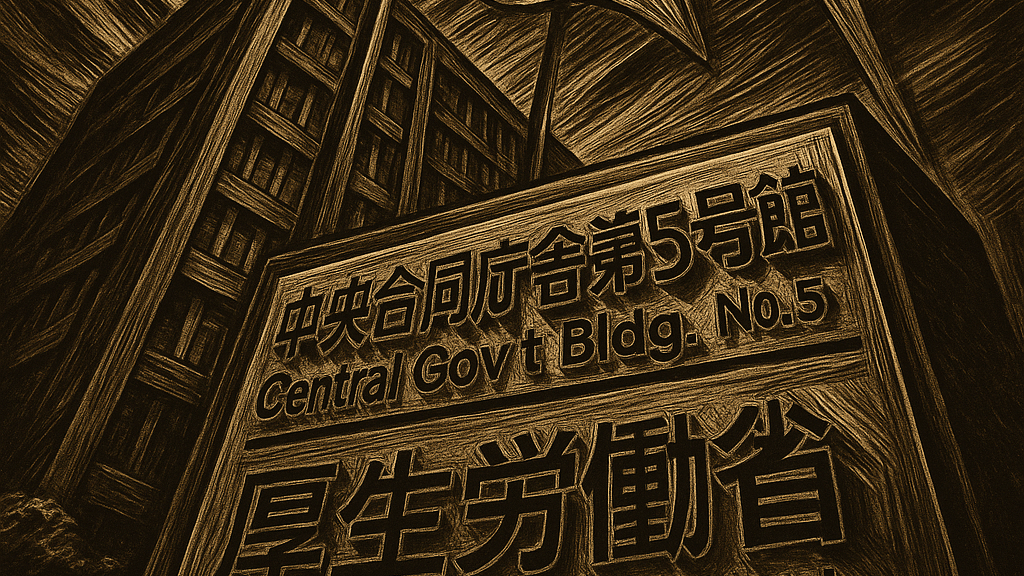
Japan’s Ministry of Health, Labour and Welfare begins investigation after disability pension assessments discarded

In connection with the national disability pension system, Japan’s Ministry of Health, Labour and Welfare announced on the 6th that it has started a fact-finding investigation, including checking remaining records, following revelations that the Japan Pension Service had discarded some physicians’ assessment results used to determine eligibility for benefit payments.

Disability Japan Podcast Welfare

Japan Pension Service Officials Discarded Doctors’ Disability Assessments [Podcast Episode]

It was revealed on December 28th through interviews with stakeholders that the Japan Pension Service, which handles the administration of national disability pensions, has been secretly discarding evaluation records and requesting new rulings from different doctors whenever staff members deemed the original doctor’s decision on benefit eligibility to be “problematic.” The Pension Service admitted to this practice during interviews, stating they are “currently investigating the facts, including the number of cases involved.”

Disability Japan Welfare

Japan Pension Service Officials Discarded Doctors’ Disability Assessments

It was revealed on the 28th through interviews with stakeholders that the Japan Pension Service, which handles the administration of national disability pensions, has been secretly discarding evaluation records and requesting new rulings from different doctors whenever staff members deemed the original doctor’s decision on benefit eligibility to be “problematic.” The Pension Service admitted to this practice during interviews, stating they are “currently investigating the facts, including the number of cases involved.”

Disability Japan Welfare

Japan’s Welfare Ministry to Reduce Disability Reimbursement for 4 Services, Including Type B, Limited to New Facilities

The Ministry of Health, Labour and Welfare (MHLW) has decided on a policy to make an extraordinary revision to disability service fees in June 2026, under which the basic remuneration for newly established providers of four services, including Continuous Employment Support (Type B), will be reduced for fiscal year 2026 only. Existing providers will continue to receive the current basic remuneration.

Disability Japan Podcast Welfare

Two Years After Japan’s Anti-Disability Discrimination Law Revision, Mixed Progress Perceived on ‘Reasonable Accommodation’ [Podcast Episode]

Nearly two years after Japan’s revised Act for Eliminating Discrimination against Persons with Disabilities made the provision of “reasonable accommodation” mandatory for private businesses, progress remains uneven. While some companies in Okayama Prefecture have introduced measures such as sign-language captions, communication apps, Braille menus, and barrier-free design, people with disabilities say daily experiences have changed little.

Disability Discrimination Japan Welfare

Two Years After Japan’s Anti-Disability Discrimination Law Revision, Mixed Progress on “Reasonable Accommodation”

Nearly two years after Japan’s revised Act for Eliminating Discrimination against Persons with Disabilities made the provision of “reasonable accommodation” mandatory for private businesses, progress remains uneven. While some companies in Okayama Prefecture have introduced measures such as sign-language captions, communication apps, Braille menus, and barrier-free design, people with disabilities say daily experiences have changed little.

Disability Employment Japan Welfare

Japan Govt to set cap on number of ‘retained workers’ when calculating disability employment subsidies after excessive payments [Podcast Episode]

It has been learned that the Ministry of Health, Labour and Welfare (MHLW) is making arrangements to set an upper limit on the number of “retained workers” used to calculate support bonuses. This move comes in response to allegations that three “Type A Support Centers for Continuous Employment” in Osaka City received excessive payments. The Ministry revealed this plan on the 16th during a meeting to discuss revisions to the compensation system for disability welfare services.

Disability Japan Welfare

Japan Govt to set cap on number of ‘retained workers’ used to calculate disability employment subsidies following excessive payments

Japan’s health ministry is planning to introduce a cap, possibly as early as next fiscal year, on the number of “retained workers” that can be counted when calculating additional payments for disability employment support, following allegations of large-scale overpayments in Osaka City. The move comes after three Type A continuous employment support facilities allegedly cycled users through repeated six-month employment periods and reported around 200 retained workers per year—despite each facility having a capacity of only 20 users—resulting in suspected excess subsidies of more than ¥2 billion.