Category: Tourism

Barrier Free Disability Discrimination Japan Nagoya Podcast Tourism

Discriminatory Comments Over Nagoya Castle Accessibility Towards Wheelchair User Prompts Mayor to Apologize [Podcast Episode]

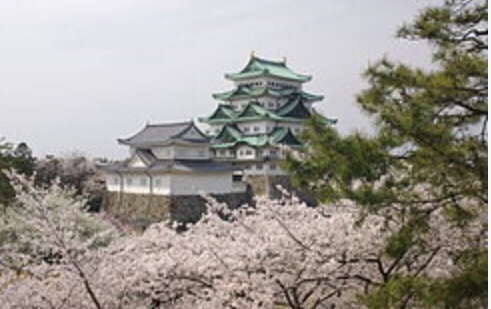
Nagoya Mayor Hirosawa has apologized to disability groups for discriminatory comments made at a June 2023 public forum on barrier-free access in the planned wooden reconstruction of Nagoya Castle’s main keep. At the meeting, a wheelchair user’s request for an elevator was met with remarks such as “endure it” and “don’t confuse equality with selfishness,” along with a derogatory term, drawing applause from some attendees. Then-Mayor Kawamura and city officials present did not intervene, prompting public outrage. Following a review, the city pledged human rights training for staff, formal apologies, and measures to prevent a recurrence. Hirosawa said the city will work to balance historical authenticity with accessibility in the reconstruction plan.

Barrier Free Blind Braille Disability Japan Tourism Travel

“Speaking” tactile sidewalks enrich lives of visually impaired

Tactile paving for people with visual impairments in Japan has recently been enhanced with audio guidance, as the developers of the technology aim to improve the lives of people with partial sight and assist sighted tourists. The new braille blocks are marked with black stickers in special patterns. By scanning the coded blocks with a smartphone camera and app, users can listen to audio information about the location and its surroundings.

Barrier Free Disability Japan Tourism

Ryokan pulls no punches when it comes to guests with disabilities

A ryokan at the Ikaho Onsen hot springs resort in Gunma Prefecture has a solid history of caring about guests with disabilities.

Back in the 1990s, a guest at the traditional Japanese-style inn started complaining vociferously in the hotel’s bathhouse after finding it soiled by disabled guests.

Tomoko Matsumoto, now 80, was the inn’s proprietress at the time. She apologized profusely to the irate guest, bowing over and over.
But the guest could not be appeased, and even started suggesting the disabled guests should have been refused admittance to the ryokan in the first place.

That was the last straw for Matsumoto. She told the guest: “I want you to move to another ryokan. But these (disabled) people have nowhere else to go. This is the only ryokan they can stay at.”

Back then, few inns were wheelchair-accessible and able to openly welcome patrons with disabilities.
Barrier Free Disability Japan Nagoya Tourism

Wheelchair User Told to “Be Patient” at Public Meeting about ‘Barrier Free’ Access to Nagoya Castle

At the citizens’ debate on June 3rd, where the theme was barrier-free access, a man in a wheelchair expressed his opinion, calling for the installation of an elevator (EV) to the top floor of the castle tower. In response, other participants who were in favor of not requiring EVs used discriminatory expressions that insulted the physically disabled, and countered with comments such as “Be patient” and “You are being too impudent.” This comment was followed by applause from some in the audience.

Barrier Free Japan Nagoya Tourism

Nagoya Castle ‘Hate Speech and Barrier Free Debacle’: A Timeline

Nagoya Castle ‘Hate Speech and Barrier Free Debacle’: A Timeline At a public debate held on June 3rd regarding barrier-free measures when restoring the wooden castle tower of Nagoya Castle, some participants said that an elevator that can go up to the top floor, which groups for the disabled and others are calling for, is unnecessary. Some were claiming that this was a discriminatory remark that made fun of people with disabilities. The restoration of Nagoya Castle has been debated since May 2018 when a proposal that the castle be rebuilt without an elevator – or other ‘accommodations’ for people with disabilities – prompting disability rights groups to write to Nagoya Mayor Takashi Kawamura urging him to rethink the restoration plan.

Barrier Free Japan Nagoya Tourism

Nagoya Mayor apologizes for discriminatory remarks by some participants in ‘Barrier-Free Castle debate’ toward people with disabilities

Mayor Kawamura is concerned that some participants made discriminatory remarks against people with disabilities at a public debate held on June 3rd regarding barrier-free measures for the Nagoya Castle tower, which the city of Nagoya is aiming to restore as a wooden structure. He apologized, saying that he should have called attention to it when speaking.

Barrier Free Japan Tourism

Japan’s Ministry of Land, Infrastructure, Transport and Tourism campaign highlights proper use of facilities and promotes “barrier-free minds”

The Ministry of Land, Infrastructure, Transport and Tourism has established appropriate facilities and equipment such as barrier-free toilets, parking facilities for wheelchair users, elevators in passenger facilities, and priority seats in vehicles so that those who truly need them can use them when they need them. The Ministry will carry out a campaign to promote the use of these facilities and promote “barrier-free minds.”

Barrier Free Disability Japan Paralympics Tourism Travel

In preparation for the ultimately spectator-less Paralympics, Japan’s hotels made efforts toward more accessible facilities

Hotel Kazusaya in Nihombashi, Tokyo, reopened in summer last year following a major refurbishment carried out in sync with the original schedule of the 2020 Tokyo Olympic and Paralympic Games. The doorways of its guest rooms have been resized to 85 centimeters wide. At the stage of planning, the doorway width was set at 75 centimeters. But in 2019, the Tokyo metropolitan government amended its relevant ordinance for hotels. Under the new standard, the doorways of rooms in newly built hotels or newly added facilities must be “a minimum of 80 centimeters in breadth,” so that wheelchairs can get through the doorway easily.