Japan’s train fare prices may rise to pay for accessibility improvements
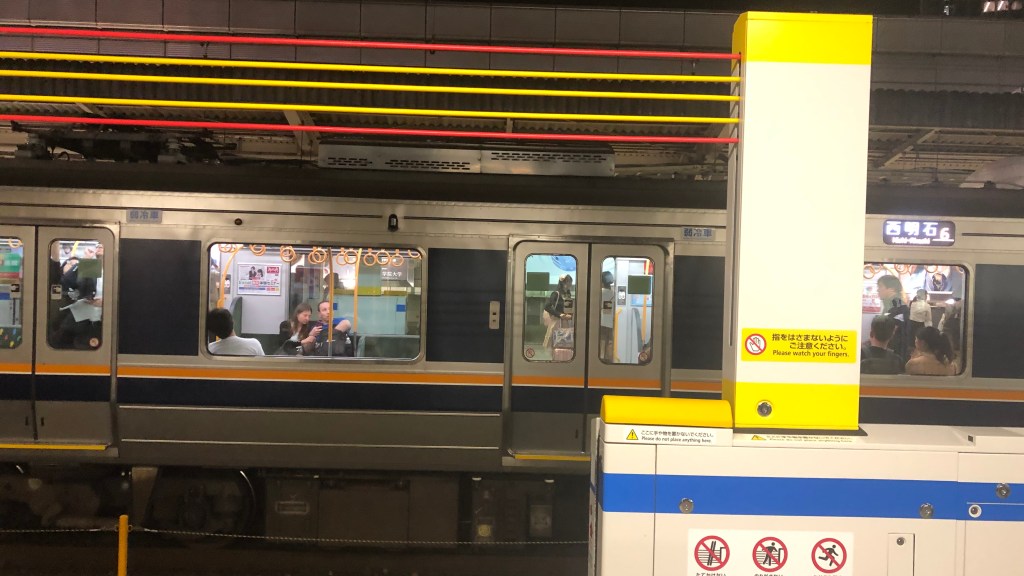
Using the train in Japan is likely to cost a little bit more as Japan’s transport ministry is considering to charge more to help improve accessibility at railway stations.
On 28 May, the revised Disability Discrimination Act was unanimously passed by the House of Councillors at a plenary session, requiring private companies to provide “reasonable accommodation” to support the mobility and communication of people with disabilities. The government will now consider the fundamental policy based on the revised law and make a cabinet decision.
“Sports venues are places where people with and without disabilities can come together and enjoy [an event],” Yukishita said. “I want the Games to be the catalyst to bring about change, so people with disabilities will feel more comfortable going out more often.”
In April, the app “shikAI” that supports the movement of visually impaired people about 200 meters between the exit of Tokyo Metro Higashi-Ikebukuro Station (Higashi-Ikebukuro 4) and the ward office (Minami-Ikebukuro 2) “started to provide voice route guidance.”
Fifty companies from Japan are participating, including Kao Corporation, Suntory Holdings Limited, Sumitomo Mitsui Financial Group Limited and the Tokyo headquarters of the Yomiuri Shimbun.
In January of this year, a local group for visually impaired people submitted a request to Tobu Railway to strengthen measures to prevent falls after an accident in which a visually impaired man fell and died at a station in Itabashi Ward, Tokyo.
A special corner with about 30 books and DVDs related to autism and developmental disabilities is being set up at the TSUTAYA Takanabe bookstore in Takanabe-cho.
Currently, electric kickboards are classified as motorized bicycles, which can only be ridden on roads and require a driver’s license.
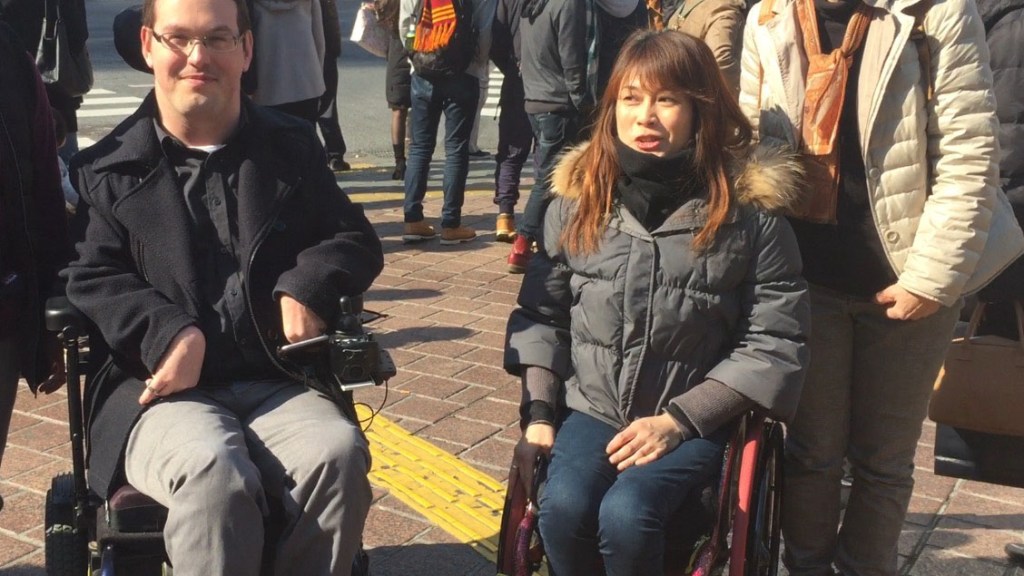
An advocacy group that supports disabled residents in Chiba, east of Tokyo, says the lack of smart cards with discount fares for disabled residents and carers on any lines in the Kanto region adds significantly to travel time.
“I think that if you use a method like exercising your strength, it will not be understood by people with disabilities, but it will not lead to repulsion. Is it really good for other people with disabilities?”