Shooter of ex-Japan PM Abe to appeal life sentence
Yamagami will file an appeal on Wednesday at the Osaka High Court following recommendations by his defense team that he proceed, the sources said.
Yamagami will file an appeal on Wednesday at the Osaka High Court following recommendations by his defense team that he proceed, the sources said.
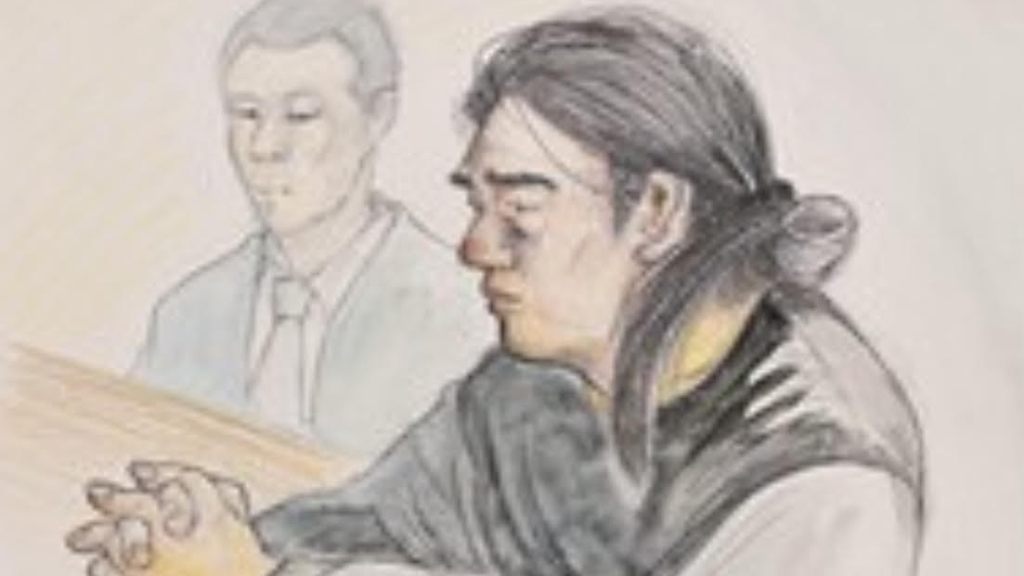
Presiding Judge Shinichi Tanaka suggested that the motive claimed was irrational, stating, “It cannot be said that his background had a great impact.” During the trial, the defense argued that, given Yamagami’s troubled background related to the controversial religious group Unification Church, with which Abe allegedly had ties, his sentence should be no more than 20 years.
Presiding Judge Shinichi Tanaka suggested that the motive claimed was irrational, stating, “It cannot be said that his background had a great impact.” During the trial, the defense argued that, given Yamagami’s troubled background related to the controversial religious group Unification Church, with which Abe allegedly had ties, his sentence should be no more than 20 years.
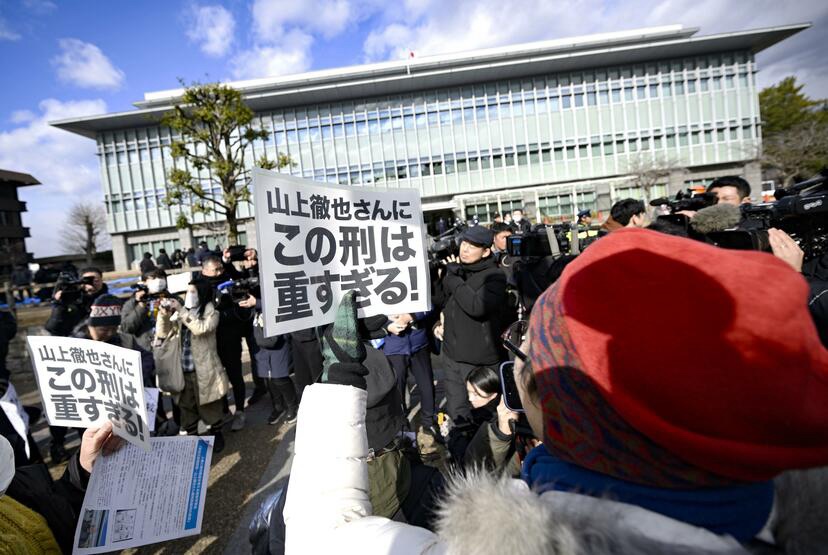
Tetsuya Yamagami, who fatally shot former Prime Minister Shinzo Abe, was sentenced to life imprisonment on Wednesday 21st January, three and a half years after the killing Abe in Nara. Prior to the ruling, 685 people gathered outside the court to apply for the 31 available gallery seats, according to the court.
A district court in western Japan is scheduled to hand down a sentence on Wednesday to the man accused of fatally shooting former Prime Minister Shinzo Abe in 2022. A key issue is how Nara District Court will assess the influence on the defendant, Tetsuya Yamagami, of his mother’s involvement with the Unification Church, formally known as the Family Federation for World Peace and Unification.
The Unification Church backed 290 lawmakers of Japan’s ruling Liberal Democratic Party in the 2021 House of Representatives election, according to South Korean media reports citing internal documents of the religious group. The documents also reportedly show that, after Abe was shot dead while delivering a campaign speech in 2022, the Unification Church deleted records on Tetsuya Yamagami, who is on trial for the murder.
Public prosecutors on Thursday sought a life sentence for Tetsuya Yamagami, who is charged with fatally shooting former Japanese Prime Minister Shinzo Abe with a homemade gun in the western city of Nara in July 2022. In the 15th hearing of the lay-judge trial of Yamagami, 45, at Nara District Court, the prosecution said that the shooting was “an extremely grave incident unprecedented in our country’s postwar history” and a “shortsighted and selfish” crime, leaving “no room for leniency.”The defense requested a fixed-term sentence. The verdict is scheduled to be handed down on Jan. 21.
Tetsuya Yamagami, charged with the 2022 murder of former Prime Minister Shinzo Abe, apologized to the bereaved family for the first time at Nara District Court on Thursday. At the 14th court hearing of his lay judge trial, Yamagami, 45, said he was very sorry for what he did. Yamagami also said that killing Abe was “wrong.” He reportedly targeted Abe in light of the former prime minister’s ties with the Unification Church, which he held a grudge against.
The trial of Tetsuya Yamagami, accused of killing former Prime Minister Shinzo Abe in 2022, continued this week at the Nara District Court with detailed testimony about the defendant’s motives and a courtroom appearance by Abe’s widow, Akie. Yamagami, 45, told judges and lay judges that he targeted Abe because he believed the former leader sat “at the center” of ties between politics and the Unification Church, saying his “hatred and hostility” developed gradually and that attacking any other politician would have carried “weak significance.”

Akie Abe sat behind prosecutors and listened to the 13th court hearing of the lay judge trial at Nara District Court, using a system for victims’ participation in trials. She did not ask questions herself.
She entered the courtroom at 1 p.m. wearing a black jacket with a blue ribbon badge, which is a symbol of efforts to rescue Japanese nationals abducted by North Korea decades ago.

 Barrier Free Japan