
The Disability News Japan 2024 Wrap-Up! [Podcast Episode]
In the style of all the ‘big beasts’ of social media, I thought ‘Barrier Free Japan’ should do a ‘Wrap-up’ at the end of 2024.
In the style of all the ‘big beasts’ of social media, I thought ‘Barrier Free Japan’ should do a ‘Wrap-up’ at the end of 2024.

Yumi Suzuki, one of the plaintiffs who sued the Japanese government over forced sterilization under the now-defunct eugenics protection law was selected for the BBC’s annual list of “influential and inspiring women” around the world on Tuesday 3rd December. The theme of this year’s selection was “resilience,” highlighting the women who “are pushing for change and improving lives at community or global level.”
Yumi Suzuki, one of the plaintiffs who sued the Japanese government over forced sterilization under the now-defunct eugenics protection law was selected for the BBC’s annual list of “influential and inspiring women” around the world on Tuesday. The theme of this year’s selection was “resilience,” highlighting the women who “are pushing for change and improving lives at community or global level.”

Speaking at a press conference after the settlement was reached, Keiko Onoue said “I kept silent for about 50 years because there were no people to discuss it with…Now that a new relief law has been created, I hope more victims can come forward.”
A settlement was reached on Friday 15th November at the Nagoya High Court in central Japan in a damages lawsuit over forced sterilization under the now-defunct eugenic protection law, ending a series of similar lawsuits in the country, according to the defense lawyers. The Nagoya lawsuit was filed by Keiko Onoue, 74, and her husband, Kazutaka, 77, against the Japanese government. The settlement terms are based on an agreement reached between the two sides in September. Speaking at a press conference after the settlement was reached, Keiko Onoue said “I kept silent for about 50 years because there were no people to discuss it with…Now that a new relief law has been created, I hope more victims can come forward.”
A settlement was reached on Friday 15th November at the Nagoya High Court in central Japan in a damages lawsuit over forced sterilization under the now-defunct eugenic protection law. After the settlement was reached, the plaintiff, Keiko Onoue (74) spoke about how she “kept silent for 50 years” as there was no one with whom she could “discuss” it. Speaking at a press conference after the settlement was reached, Keiko Onoue said “I kept silent for about 50 years because there were no people to discuss it with…Now that a new relief law has been created, I hope more victims can come forward.”

A settlement was reached Friday at Nagoya High Court in central Japan in a damages lawsuit over forced sterilization under the now-defunct eugenic protection law, ending a series of similar lawsuits in the country, according to the defense lawyers. The Nagoya lawsuit was filed by Keiko Onoue, 74, and her husband, Kazutaka, 77, against the Japanese government. The settlement terms are based on an agreement reached between the two sides in September.
The Diet enacted a bill into law on Tuesday to compensate victims of forced sterilization under Japan’s now-defunct eugenic protection law. The compensation law will take effect three months after its promulgation.
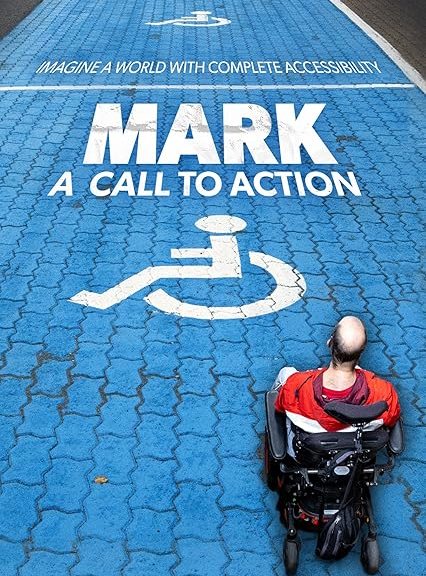
MARK: A CALL TO ACTION is the story of Dr. Mark Bookman, a severely disabled Pennsylvania-born American who later resided in Tokyo full-time, becoming one of Japan’s leading experts on accessibility and a policy consultant to governments and major corporations around the world. His tireless efforts helped raise awareness and positively impacted the lives of not only disabled persons, but also children, seniors and vulnerable populations in the United States, Japan and many other nations.

Japan’s House of Representatives, the lower chamber of parliament, unanimously passed a bill on Monday 7th October to compensate victims of forced sterilization under the now-defunct eugenic protection law. The bill is expected to be enacted on Tuesday after approval by the House of Councillors, the upper chamber. It calls for compensation of 15 million yen each for victims and 5 million yen for their spouses, as well as a lump-sum payment of 2 million yen to those forced to have abortions. If victims and their spouses are already deceased, the bill allows their bereaved families to seek compensation.
The Diet enacted the Forced Sterilization Compensation Bill into law on Tuesday. The compensation law will take effect three months after its promulgation. While a similar law enacted in 2019 did not explicitly mention the state’s apology in its preamble, the compensation law states that the Diet and the government seriously acknowledge their responsibility and sincerely apologize for creating and implementing an unconstitutional law.

 Barrier Free Japan