
Japan Forecast to Have 5.8 M. Dementia Patients in 2050
Japan is forecast to have 5,866,000 elderly dementia patients in 2050, up over 1.4 million from 2022, an estimate showed said on Wednesday 8th May.
Japan is forecast to have 5,866,000 elderly dementia patients in 2050, up over 1.4 million from 2022, an estimate showed said on Wednesday 8th May.
The average premium rate at corporate health insurance societies in Japan is projected to hit a record high of 9.32 pct in fiscal 2024, according to the National Federation of Health Insurance Societies, or Kenporen. Reflecting an increase in contributions to the medical care services for the elderly, the rate is expected to rise 0.05 percentage point from the previous year, which ended in March, the group of health insurance societies for employees of large corporations and their families said Tuesday.
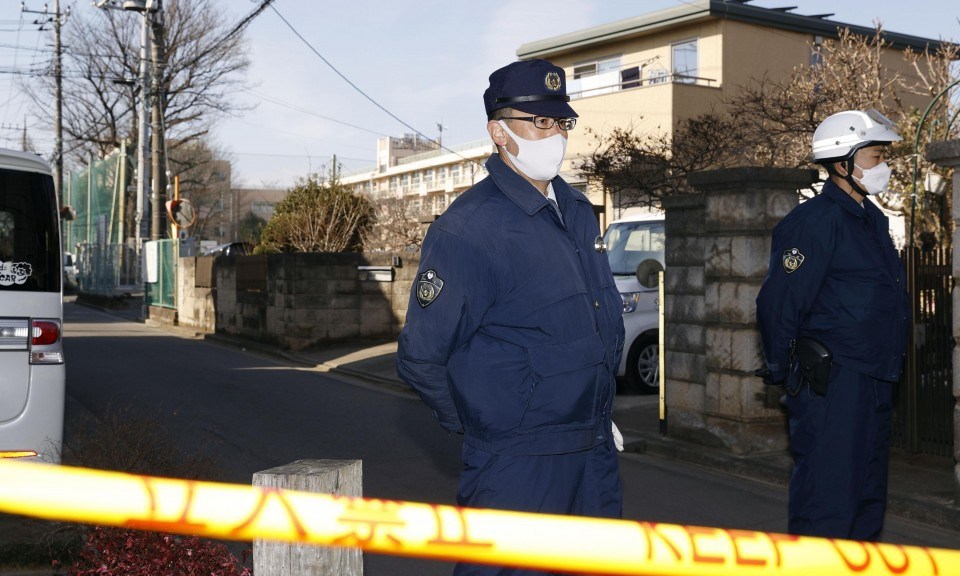
A Japanese man who lost his wife and daughter in a high-profile accident involving a runaway car driven by an elderly man five years ago says he hopes to “leverage (through dialogue) the victimizer’s experience to prevent traffic accidents.”
The bereaved man, Takuya Matsunaga, 37, is slated to hold a meeting shortly with the elderly man, Kozo Iizuka, 92, who is serving a prison term over the incident.

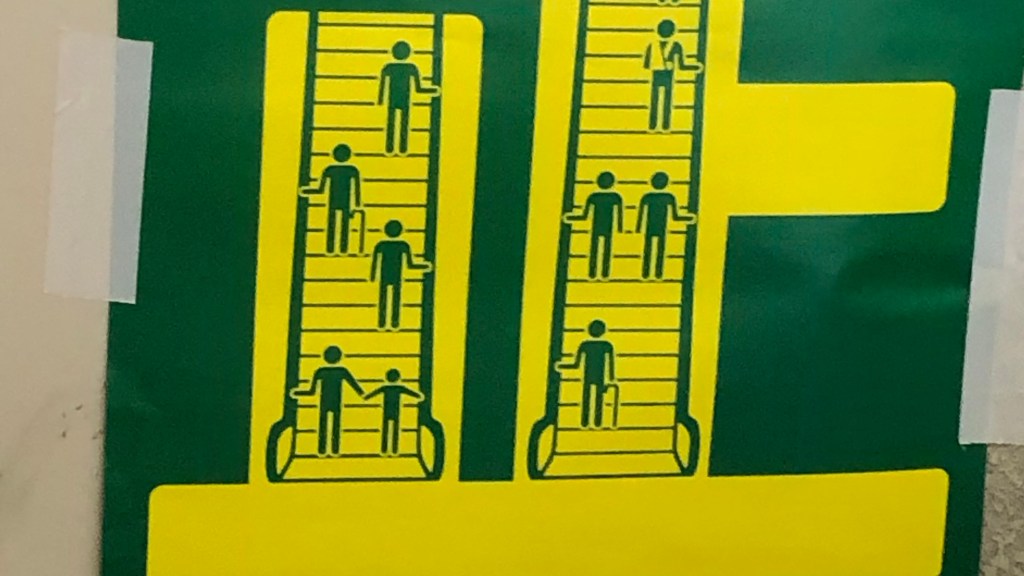
A man has died following an accident involving his suit jacket getting caught in an escalator at a station in Ibaraki Prefecture, police said Wednesday 27th March.

A disability news-related digest from the first few days of April 2024 in Japan, the beginning of the fiscal year. Kobayashi Pharmaceutical Co. says that water leaked “into ‘beni-koji’ production tank in past.” Japan’s Health Ministry conducted a poll that revealed 35% of people are prejudiced against ex-leprosy patients and 2024 brings changes regarding policies about health and for people with disabilities in Japan.

In a country notorious for its reliance on cash, municipalities across Japan have been staging electronic payment uptake drives to stimulate digitalized consumption by granting shopping points for transactions using QR codes.
Some remain reluctant, especially elderly people and others who find digital devices difficult to operate, and who continue to view cash as the be-all and end-all for making purchases.
Currently, foreign technical intern trainees and foreign workers with so-called specified skills are allowed to work at care facilities in the country. They are banned from engaging in home help services to provide one-on-one assistance to users, however, due to concerns about their communication skills in Japanese.

The governor of Miyagi, one of the northeastern Japan prefectures hit hard by a massive earthquake and tsunami 13 years ago, emphasized the need for psychological care for those affected by the disaster.
The number of people experiencing mental issues has gone up due to changes in their environment following the March 11, 2011, disaster, Murai said, adding that the number of elderly residents living alone has increased as well.
The number of welfare benefit applications stood at 255,079 in Japan in 2023, rising for the fourth consecutive year, the welfare ministry said Wednesday.
Households that fall under the “others” category, which includes those led by unemployed people but excludes those led by single mothers and people with disabilities or disease, accounted for 15.8 pct.

Esports is being employed with the aim of preserving cognitive functions in elderly individuals and serving as a means of social exchange for those with disabilities. In the current fiscal year to March, the Tokyo metropolitan government has started a project to provide game lending services to facilities for disabled individuals in the Japanese capital.
Currently, about 120 nursing care facilities and facilities for the disabled across the nation have adopted the association’s esports system through monthly contracts. The system accommodates up to four players engaged in simultaneous gameplay, and a monthly competition fosters online interaction among participants.
Have a WordPress.com account? Log in now.

