
Biggest Avian Flu Outbreak This Season Occurs in Ibaraki
An outbreak of highly pathogenic avian influenza has been confirmed at a poultry farm in the town of Yachiyo, Ibaraki Prefecture, eastern Japan, the prefectural government said Sunday.
An outbreak of highly pathogenic avian influenza has been confirmed at a poultry farm in the town of Yachiyo, Ibaraki Prefecture, eastern Japan, the prefectural government said Sunday.

The health ministry announced plans Thursday to revise regulations to allow over-the-counter (OTC) drugs to be picked up at convenience stores without the presence of pharmacists or registered salespersons. Customers will be required to receive explanations about the medication online from a pharmacist or registered salesperson before making a purchase.

The central Japan prefecture of Shizuoka logged the longest estimated average healthy life expectancy for both men and women as of 2022, at 73.75 and 76.68 years respectively, the health ministry said Tuesday. Meanwhile, Iwate Prefecture ranked bottom among the nation’s 47 prefectures for both men and women, at 70.93 and 74.28 years.
The Japanese government plans to reduce the official prices for nearly half of all drugs under the public health insurance program in its fiscal 2025 revision, informed sources said Friday. This is expected to cut national medical expenses by some 250 billion yen, alleviating burdens on patients while squeezing the pharmaceutical industry.
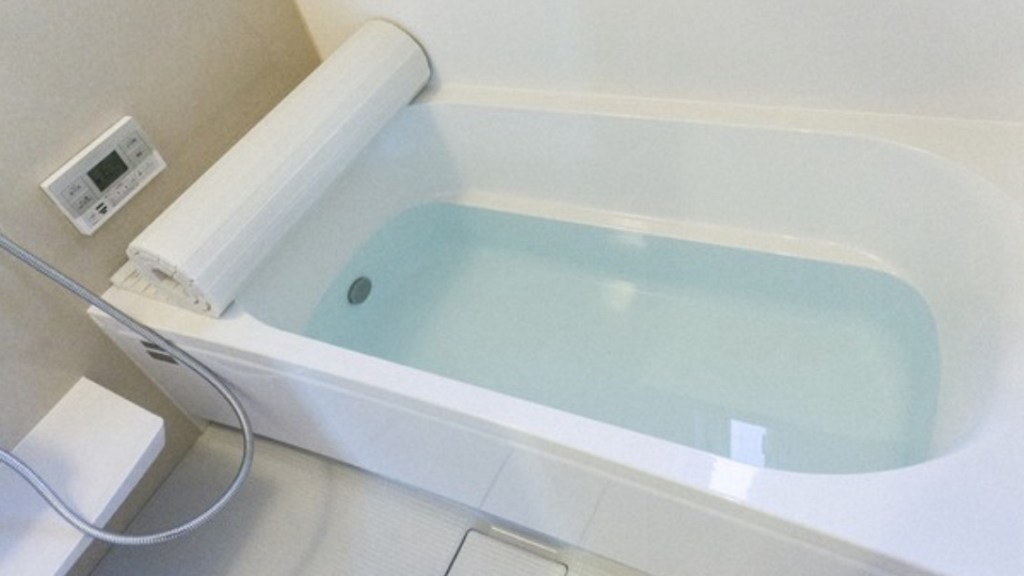
Wintry temperatures have arrived in the Japanese capital and surrounding Kanto region. It’s the season when taking a bath can feel good, but that also means a higher risk of accidents, so experts are advising vigilance against so-called “heat shock”: sudden changes in blood pressure that can make someone lose consciousness or suffer a stroke.

The Japanese government will stop issuing new health insurance cards on Dec. 2 as planned in a move to integrate them into “My Number” electronic personal identification cards.While the government will stop issuing new health insurance cards on Monday, most people will remain unaffected by the move in the short term as existing health insurance cards can still be used for another year. People without My Number cards can still use their existing health insurance cards for their visits to hospitals, dental clinics and pharmacies during the grace period — which ends on Dec. 1, 2025 — as long as they remain valid.

Japan’s health ministry is considering raising the caps on out-of-pocket payments patients make to hospitals under the public health insurance system. The ministry hopes to begin discussions on the issue soon and decide a basic course of action within this year at the earliest.
Japanese digital minister Masaaki Taira reiterated that the government will stop issuing new health insurance cards on Dec. 2 as planned in a move to integrate them into “My Number” electronic personal identification cards. “There is no change in our policy to proceed (with the abolition) as scheduled,” Taira said in a recent interview. At the same time, Taira underscored the importance of the government making efforts to eliminate public distrust in problem-prone My Number cards.

The number of flu patients reported from about 5,000 regularly monitored medical institutions across the country in the week through Sunday was 1.04 per facility. The number exceeded 1.0, indicating that the flu season has begun. The start came slightly earlier than the average year. By prefecture, Okinawa logged the highest figure with 10.64 patients, followed by Shizuoka with 2.09, Chiba with 2.00, Oita with 1.66 and Fukui with 1.62.
A respiratory society and other institutions in Japan have jointly announced measures to prevent the spread of mycoplasma pneumonia, which is on the rise in the country. Mycoplasma pneumonia is a respiratory disease caused by bacteria. Children are more susceptible to infection than adults. Symptoms include a fever and a persistent cough. Cases of mycoplasma pneumonia began to rise this summer in Japan. Data from the National Institute of Infectious Diseases show that the weekly average number of cases reported by about 500 medical institutions nationwide hit a new high on October 13. It was the third straight weekly high since a new method of data collection was instituted.

 Barrier Free Japan