
From Medical Jiji
March 6 2026
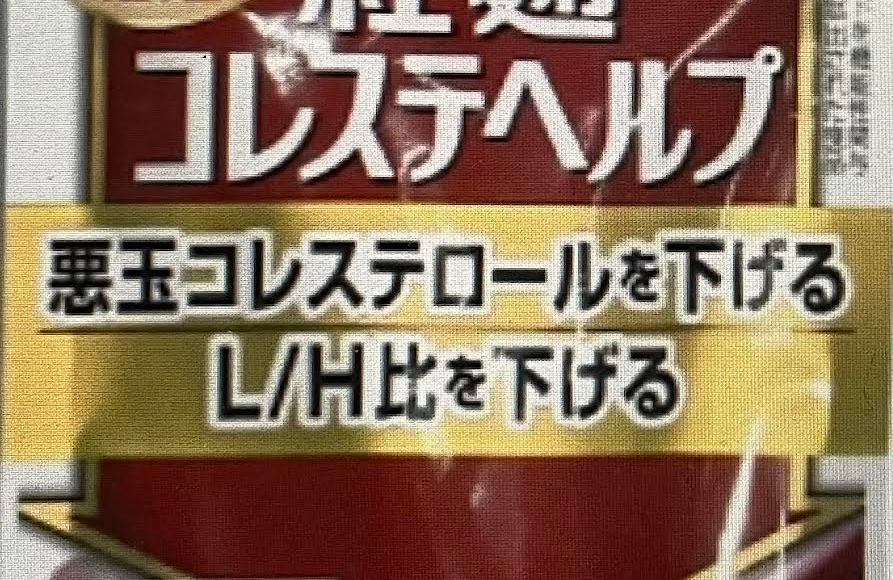
TOKYO – Amid health problems linked to red yeast rice supplements produced by Kobayashi Pharmaceutical, a research team at the Tokyo Institute of Science announced by the 5th that it has clarified part of the mechanism by which puberulic acid, a substance derived from blue mold and identified as the causal compound, triggers kidney damage. While the substance responsible had previously been identified, how it actually damaged the kidneys had remained unclear.
The researchers found that puberulic acid reduces the function of mitochondria, which produce energy inside kidney cells. As a result, renal tubular cells undergo necrosis, leading to a deterioration in kidney function.
The research team led by Assistant Professor Yutaro Mori administered the problematic supplement and puberulic acid separately to mice. In both groups, indicators showing worsening kidney function increased, and the researchers confirmed damage to the renal tubules as well as fibrosis, a condition in which tissue becomes hardened.
Further analysis of gene activity in the kidneys revealed that genes related to mitochondrial function were suppressed, hindering the process that converts substances into energy.
The same phenomenon was also observed in cells created from human kidneys and in three-dimensional reconstructed organoids. Before the cells died, mitochondrial function declined, the level of adenosine triphosphate (ATP)—the substance that serves as a cellular energy source—fell, and reactive oxygen species increased. This suggests that mitochondrial damage is highly likely to trigger cell death.
Assistant Professor Mori said, “We have begun to see an important pathway through which supplements cause kidney damage. In the future, this could help evaluate the prognosis of patients suffering from lasting aftereffects and may provide clues for treatment methods.”
 Barrier Free Japan
0 comments on “Tokyo Institute of Science Identifies Mechanism Causing Kidney Damage from Red Yeast Rice Supplements”